
Faith should not be a barrier to funding domestic abuse support
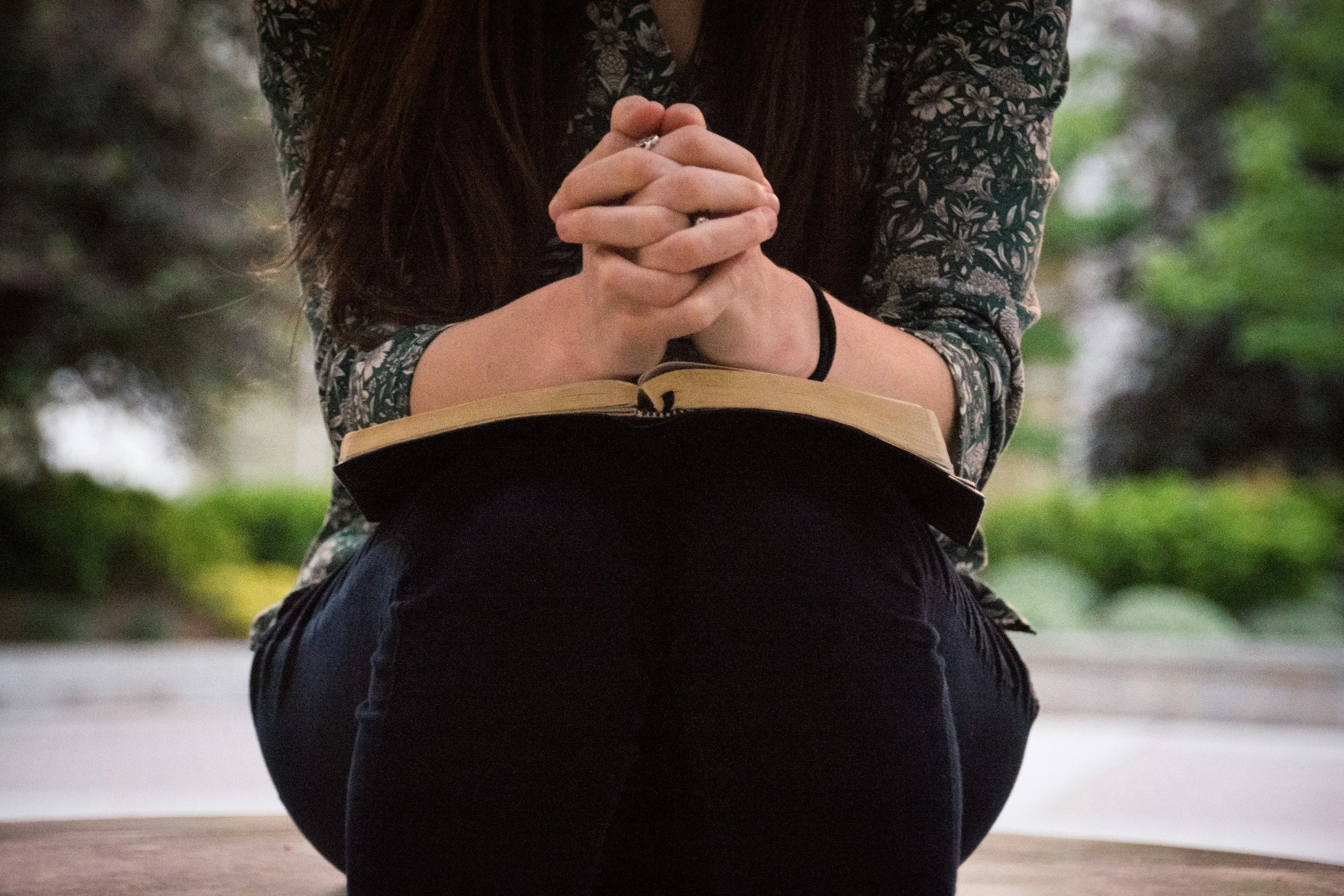
When we speak with women who have experienced domestic abuse, faith is sometimes part of the harm they need help to understand. A partner may have used Scripture to demand obedience or silence. A church response may have urged forgiveness without first asking whether she was safe. Leaving the relationship may also have meant losing the community where she worshipped.
At The Lampstand Group, we support people with lived experience of domestic abuse in Hull and East Yorkshire. We know from the people who come to us that domestic abuse and spiritual abuse can take place within Christian homes and churches. Their recovery may involve questions about safety, family, trust and faith at the same time. We cannot serve them well by asking them to leave part of that experience at the door.
This is a need on a substantial scale. In the 2021 census, 27.5 million people in England and Wales identified as Christian. That figure describes religious identity, rather than church attendance, but it makes clear why services need to understand faith as part of many people’s lives.
We are grateful for the work already being done in this area. Restored’s Turn the Tide research found that fewer than half of respondents had heard domestic abuse discussed in sermons, prayers or church meetings. Sally Hope has written about the lack of support Christian women can face when trying to make sense of spiritual abuse and its effect on their faith. Their work reflects a need we encounter locally, while our perspective comes from the relationships we build with people here.
What happens when funding rules overlook faith?
We understand why funders set boundaries around religious activity. It is reasonable to ask how a grant will be spent, who can access a service and whether anyone will feel pressured to take part in worship or adopt a belief.
But a blanket refusal to consider faith based organisations can also exclude specialist domestic abuse support. A service may have a Christian ethos while using grant funding for practical recovery work: trained support, safe group sessions, advocacy, accessible venues and help to rebuild confidence. Those activities can be assessed on their safeguarding, accessibility and outcomes.
Some people who have been harmed in a church setting want distance from church. Their choice must be respected. Others want support from someone who understands why faith still matters to them, even after it has been used against them. A safe response gives each person room to decide what recovery looks like.
Faith and VAWG Coalition guidance identifies gaps in how the needs of people from faith communities are understood and met. Funding decisions should help close those gaps.
Judge the work and the safeguards
We ask funders to consider the service being proposed and the people it will reach. Ask whether the organisation understands coercive control and spiritual abuse. Ask about safeguarding, referral routes and how people can receive support without religious pressure. Ask those with lived experience whether the support meets their needs.
For The Lampstand Group, this is personal and practical. We sit with people whose faith may have been used to keep them silent, and whose faith may still be precious to them. Both truths deserve to be heard.
No one experiencing domestic abuse should face a smaller choice of support because faith is part of their story.
Funding that recognises this can help people find safety, be heard and begin to rebuild their lives.