
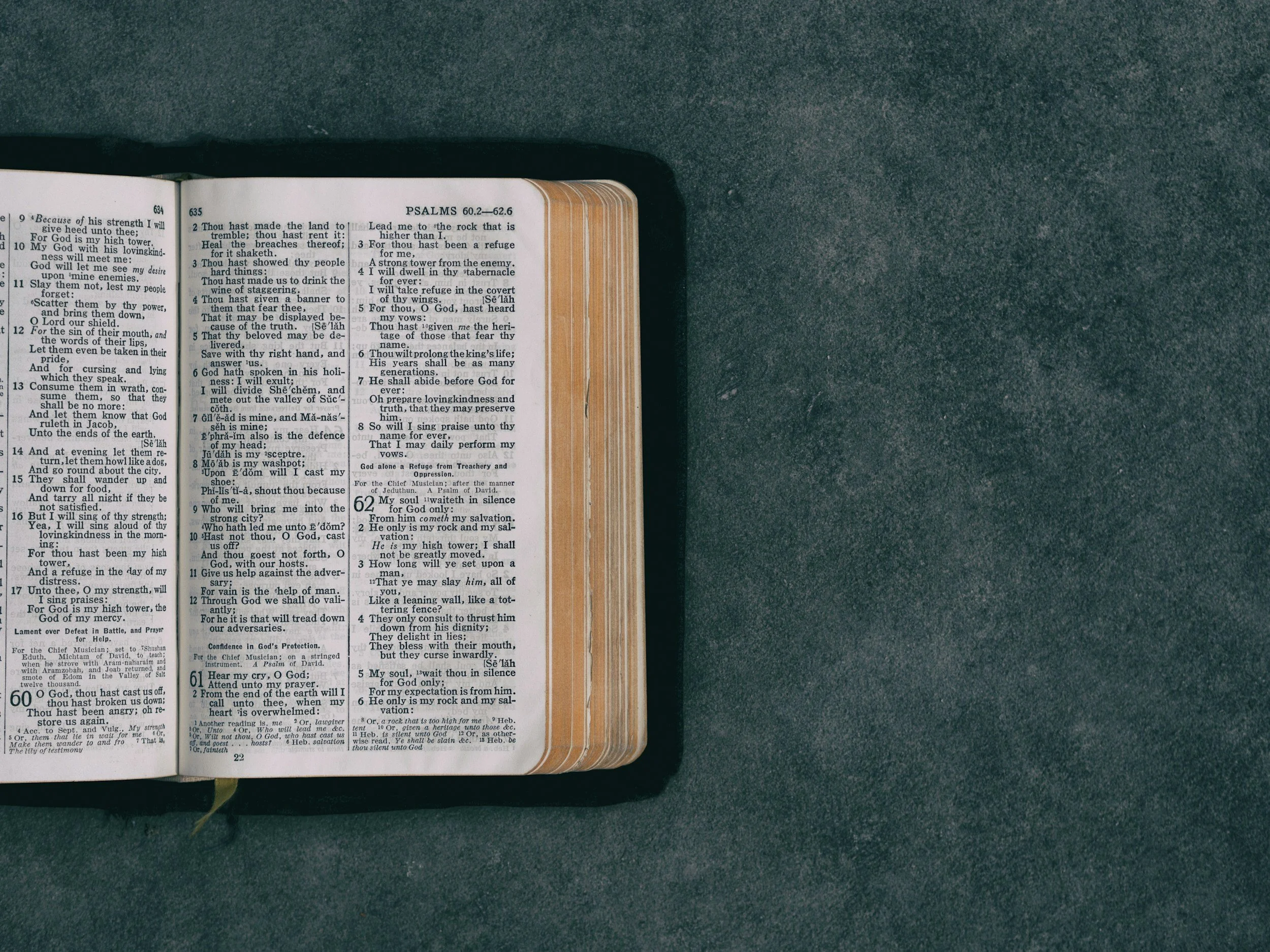
Spiritual Abuse in The Church
Faith should bring freedom, not fear.
When Scripture Becomes a Weapon:
Recognising Spiritual Abuse in the Church
An article from The Lampstand Group — supporting people with lived experience of domestic abuse
The Church should be one of the safest places on earth.
A place of refuge. A place of compassion. A place where people are heard, valued and protected.
For many, that is exactly what the Church has been. Faith has provided strength through unimaginable difficulties, and Christian communities have offered practical support, friendship and hope.
But what happens when the very faith that should bring comfort becomes a means of control?
What happens when Scripture is used to silence someone experiencing abuse? When forgiveness is demanded without accountability? Or when a person is told that remaining in a harmful marriage is evidence of their obedience to God?
These are uncomfortable questions.
But they are questions the Church must be willing to explore.
What Is Spiritual Abuse?
Spiritual abuse occurs when religious beliefs, practices, teachings or authority are misused to manipulate, intimidate, control or harm another person.
It is recognised as a form of emotional and psychological abuse and may involve patterns of coercive or controlling behaviour within a religious setting.
Spiritual abuse can occur within marriages, families, congregations, ministries and relationships involving spiritual leaders.
It may include:
Using Scripture to justify controlling, threatening or abusive behaviour.
Teaching that a wife must submit to her husband regardless of how she is treated.
Telling someone that leaving an abusive relationship means disobeying God.
Using prophecy, prayer or claims of divine authority to control another person's decisions.
Pressuring someone to forgive, reconcile or return to an unsafe relationship.
Demanding secrecy to protect a church, ministry or leader's reputation.
Suggesting that someone experiencing abuse lacks faith or is being punished by God.
Discouraging people from seeking professional help, reporting abuse or speaking to safeguarding authorities.
Using religious teaching to justify unwanted sexual activity within marriage.
Spiritual abuse is not simply a disagreement over theology or a difficult pastoral conversation.
The defining concern is the misuse of faith or spiritual authority to exercise harmful power and control.
And its consequences can be profound.
For someone whose relationship with God is central to their identity, spiritual abuse can undermine not only their confidence and independence but their understanding of God's character.
When Biblical Teaching Is Taken Out of Context
One of the most concerning aspects of spiritual abuse is the selective use of Scripture.
Passages about submission, obedience, forgiveness, suffering and marriage can be removed from their wider biblical context and used to demand compliance.
Submission Is Not Permission to Abuse
Ephesians 5 is frequently discussed in Christian teaching about marriage.
Yet conversations about submission must not overlook Ephesians 5:21:
"Submitting to one another in the fear of God." (NKJV)
Or Ephesians 5:25:
"Husbands, love your wives, just as Christ also loved the church and gave Himself for her." (NKJV)
Whatever differences may exist between Christian traditions regarding marriage roles, Scripture must never be used to justify violence, intimidation, sexual coercion or controlling behaviour.
Christ's example of love is sacrificial, not oppressive.
A marriage covenant does not give one person ownership over another.
Forgiveness Is Not the Same as Reconciliation
Christians are taught to forgive.
But forgiveness, reconciliation and restored trust are not interchangeable.
Forgiveness does not require someone to remain in danger.
Reconciliation cannot be demanded from someone experiencing abuse.
Restored trust requires meaningful change, accountability and safety.
Church leaders must understand that encouraging reconciliation without properly recognising coercive control can place someone at further risk.
What About "God Hates Divorce"?
Malachi 2:16 is often quoted in discussions about marriage breakdown.
Yet the interpretation and translation of this passage are debated, and its wider context includes condemnation of treachery and violence.
It should never be used as a simple command requiring someone to remain in an abusive relationship.
Domestic abuse is not an ordinary marital disagreement.
It involves harm, and sometimes a sustained pattern of power and control.
Protecting someone from abuse should never be treated as a failure of faith.
When the Church Doesn't Recognise the Warning Signs
The Netflix documentary Death of the Pastor's Wife, examining the life and death of Mica Miller, raises difficult questions about abuse, spiritual authority and the responsibilities of Christian communities.
Mica died in April 2024, aged 30. Her death was officially ruled a suicide. The documentary examines allegations of coercive control and abuse within her marriage to a pastor, drawing on accounts from people who knew her and other material.
What particularly struck us was the portrayal of a church community that appeared largely blindsided by what was unfolding.
It raises an important question:
Would we recognise coercive control or spiritual abuse if it were happening within our own congregation?
We often assume that abuse will be obvious.
That someone will notice.
That a person will disclose what is happening.
Or that those closest to a respected church leader will recognise when something is wrong.
But abuse can remain hidden behind apparently successful ministries, respected reputations and seemingly happy marriages.
We must also be careful not to confuse a lack of awareness with deliberate complicity.
People cannot always recognise behaviours they have never been equipped to understand.
This is why education matters.
Not because every church is unsafe.
Not because every pastor is abusive.
But because no church is automatically immune from abuse simply because it is a Christian community.
Spiritual authority should never place someone beyond scrutiny, safeguarding or accountability.
When Abuse Is Mistaken for Marital Conflict
One of the most damaging misunderstandings is the belief that domestic abuse is simply a relationship problem involving two people who need to communicate better.
Domestic abuse and ordinary relationship conflict are not the same.
Coercive control can involve intimidation, isolation, financial restrictions, threats, humiliation, monitoring and the deliberate erosion of another person's independence.
When faith is used as part of that pattern, the person experiencing abuse may also be told that God expects them to endure it.
They may be encouraged to pray harder, submit more or remain silent.
Sometimes these responses come from well-meaning Christians who simply do not understand the dynamics of abuse.
But good intentions do not automatically make advice safe.
Suggesting marriage counselling or mediation without first identifying abuse and assessing risk can create further opportunities for manipulation and retaliation.
Churches must understand the difference between supporting a struggling marriage and responding to an abusive relationship.
The priority must always be safety.
Sexual Violence, Consent and the Misuse of Faith
Spiritual abuse can also intersect with sexual violence.
Within some religious contexts, teaching about marital duties has been misused to suggest that one spouse has an automatic entitlement to sexual intimacy.
This is deeply concerning.
Marriage does not remove the requirement for consent.
Under the Sexual Offences Act 2003, consent requires a person to agree by choice and have the freedom and capacity to make that choice.
Consent cannot be assumed simply because two people are married.
It cannot be established through silence, fear or submission to threats.
And it can be withdrawn.
Religious teachings must never be used to pressure someone into sexual activity they do not freely choose.
Through our ongoing 78 hours of accredited Independent Sexual Violence Adviser (ISVA) training, The Lampstand Group is continuing to deepen its understanding of consent, sexual coercion, trauma and the myths surrounding sexual violence.
This learning reinforces why churches need to understand bodily autonomy, safeguarding and the importance of responding appropriately to disclosures.
No one should be made to feel that saying no to unwanted sexual activity is disobedience to God.
The Impact of Spiritual Abuse on Faith and Recovery
For some people, spiritual abuse causes wounds that extend far beyond the abusive relationship itself.
Prayer may become associated with fear.
Scripture may trigger memories of manipulation.
Church attendance may feel unsafe.
Someone may begin to question whether God is disappointed in them or whether they somehow deserved what happened.
Others may lose trust in Christian leadership or withdraw from faith communities altogether.
Recovery from spiritual abuse cannot be rushed.
It requires patience, respect, compassion and an understanding of trauma.
People must be free to explore their faith, ask questions, establish boundaries and make their own decisions without pressure.
For some, faith remains central to their healing.
For others, rebuilding trust in religious communities may take considerable time, or may not be part of their recovery.
Both responses deserve respect.
What Would a Safer Church Look Like?
A safer church is not one that claims abuse could never happen within its congregation.
It is one that recognises the possibility, understands the warning signs and responds appropriately when concerns arise.
Churches can strengthen their response by:
Providing domestic abuse, coercive control and spiritual abuse awareness training for leaders, safeguarding teams and congregations.
Understanding how Scripture and spiritual authority can be weaponised.
Listening to disclosures without blame, judgement or minimisation.
Prioritising safety over institutional reputation or pressure to preserve a marriage.
Avoiding inappropriate mediation or forced reconciliation in cases of abuse.
Maintaining clear, independent safeguarding and reporting pathways.
Working with specialist domestic abuse and sexual violence services.
Ensuring allegations involving church leaders are handled impartially, with appropriate external oversight.
Respecting confidentiality while explaining the circumstances in which safeguarding information must be shared.
Recognising that recovery may continue long after someone has left an abusive relationship.
A healthy church should allow questions, accountability and appropriate challenge.
No individual should be made to feel that disagreeing with a leader is equivalent to disobeying God.
How The Lampstand Group Hopes to Support Churches
At The Lampstand Group, our work is informed by lived experience, specialist training, professional learning and a Christian commitment to compassion and justice.
Our recent Elim ministry studies, board training through Always Hopeful, existing domestic abuse qualifications and ongoing ISVA training have helped us recognise the importance of equipping churches to respond safely.
We are developing practical workshops to explore:
Spiritual abuse and the weaponisation of Scripture.
Biblical submission, forgiveness and reconciliation.
Recognising coercive control and post-separation abuse.
Responding safely to domestic abuse disclosures.
Understanding sexual coercion and consent.
Trauma-informed pastoral care.
Safeguarding, accountability and appropriate referrals.
Our purpose is not to attack the Church.
We want to help churches become the safe, compassionate and informed communities they are called to be.
We recognise the extraordinary difference that churches can make in people's lives.
We also recognise that genuine compassion requires more than good intentions.
It requires knowledge, humility, accountability and a willingness to learn.
What Does Jesus Teach Us About Power?
Throughout the Gospels, Jesus challenged those who misused religious authority.
In Matthew 23:4, He criticised religious leaders who placed heavy burdens upon others without helping them.
In Luke 4:18, Jesus spoke of liberty for the oppressed.
And in Isaiah 1:17, Scripture calls God's people to seek justice and defend those who are vulnerable.
These passages remind us that spiritual authority carries responsibility.
Christian leadership should reflect humility, service, integrity and care.
It should never be used to intimidate, exploit or silence.
We cannot preach love while excusing cruelty.
We cannot preach freedom while overlooking coercion.
We cannot preach justice while ignoring those who have been harmed.
And we cannot claim to protect the vulnerable while placing institutional reputation above safeguarding.
A Final Question for the Church
Perhaps the most important question is not whether spiritual abuse could happen in our church.
It is whether we would recognise it.
Would someone feel safe enough to disclose abuse?
Would we listen without judgement?
Would we recognise the difference between ordinary relationship difficulties and coercive control?
Would we understand when biblical teaching was being used to manipulate?
And would we have the courage to act, even when doing so was uncomfortable?
The Church should never be another place where someone has to survive abuse.
It should be a place where dignity is protected, voices are heard and people are supported towards safety and recovery.
At The Lampstand Group, we believe these conversations are not an attack on faith.
They are an expression of our commitment to the safety, dignity and wellbeing of people within our communities.
Because faith should bring freedom, not fear.
And Scripture should never become a weapon.
"Learn to do good; Seek justice, Rebuke the oppressor." — Isaiah 1:17 (NKJV)
About The Lampstand Group
The Lampstand Group is a registered Christian charity supporting people with lived experience of domestic abuse across Hull and the East Riding of Yorkshire.
Our work focuses on advocacy, practical support, longer-term recovery, education and raising awareness.
Our Christian ethos informs our commitment to dignity, compassion and justice. Our support welcomes people of all faiths and none.
Registered Charity No. 1210162
Finding Support
If you are experiencing domestic abuse, spiritual abuse or sexual violence, you deserve to be heard and supported.
National Domestic Abuse Helpline (England): 0808 2000 247 — free, 24 hours.
Rape Crisis England & Wales 24/7 Support Line: 0808 500 222.
Emergency: Call 999 if you are in immediate danger.
If you are concerned about spiritual abuse within a church, consider speaking to an appropriate safeguarding professional or an independent specialist support service. You do not have to rely solely on the leadership of the organisation involved.